⚠️ Content note: This article explores trauma with care and sensitivity. If you're going through a difficult time, please read at your own pace – or set it aside if it feels like too much. Professional support is always the most important step.
What Is Trauma? Destigmatizing a Misunderstood Term
The word "trauma" often conjures images of extreme events – war, severe accidents, catastrophes. Yet modern trauma research paints a far more nuanced picture. Trauma is not a character flaw. It is not a rare exception. And above all, it is this: a normal response of the nervous system to an overwhelming experience.
Specialists today distinguish between two core forms. Capital-T Trauma refers to singular, life-threatening or deeply shattering events: a serious accident, physical or sexual violence, the sudden loss of a loved one. Small-t trauma, by contrast, encompasses repeated, often subtler experiences that accumulate over time – persistent emotional neglect in childhood, chronic stress, growing up in an environment that felt unsafe, or years of feeling unseen and unheard.
Small-t trauma in particular often goes unrecognized – by those who experience it and by the people around them. "It wasn't that bad" or "Others had it much worse" are phrases many people know all too well. But trauma symptoms do not arise in proportion to the apparent severity of an event. They arise in relation to how the nervous system was configured at the time of the experience – and whether sufficient safety, support, and processing were available afterward.
To destigmatize trauma is to understand: if your system responded this way, that was the best possible answer it could give to an experience that was too large to integrate.
Why Talk Therapy Alone Often Falls Short
Classical psychotherapy – whether psychodynamic or cognitive-behavioral – has helped countless people and remains an indispensable pillar of trauma treatment. And yet, many people report that while they understand what happened to them, they still don't feel free in their bodies.
There is a neurobiological reason for this. Traumatic experiences are stored in brain regions that are only partially accessible to language and rational thought. The prefrontal cortex – our planning and speech center – "goes offline" when the nervous system perceives real or remembered threat. Bessel van der Kolk, one of the world's most recognized trauma researchers, captures this in his now-famous phrase: "The body keeps the score."
Talk therapy operates on a cognitive level. It helps organize narratives, understand connections, and develop new interpretations. But the nervous system learns differently from the mind: through experience, through movement, through felt safety. This is why many trauma therapists today advocate for an integrative approach combining top-down work (mind to body) with bottom-up approaches (body to mind).
The Body as Trauma Storage: Fascia, Muscle Memory, and the ANS
How exactly does trauma "live" in the body? This question can now be answered from several perspectives.
The Autonomic Nervous System (ANS)
The autonomic nervous system regulates all involuntary body functions – heart rate, breathing, digestion, immune response. It operates in essentially three states: a safe, connected state (parasympathetic, ventral vagal); a mobilization state for fight or flight (sympathetic); and an immobilization state (parasympathetic, dorsal vagal) – the freeze, collapse, or shutdown response.
When a traumatic experience is not fully processed, the nervous system can become "stuck" in one of these stress states – even long after the original threat has passed. The body remains on high alert, even when the mind "knows" it is safe.
The Fascial System
Fascia is the connective tissue that envelops and connects all structures of the body. It is richly innervated and plays a major role in proprioception and body awareness. In response to stress and trauma, fascia can thicken, shorten, and harden – leading to chronic tension, restricted movement, and a pervasive sense of tightness.
Muscle Memory and Posture
Protective reflexes from traumatic situations can literally inscribe themselves into the musculature. Raised shoulders, a compressed chest, a permanently tensed abdomen – these can all be physical expressions of frozen trauma energy. The body "remembers" through posture patterns that once offered protection.
The Neurobiology: Amygdala, Hippocampus, and the Freeze Response
To understand why trauma remains so tenaciously stored in the body, a brief look at brain science is illuminating.
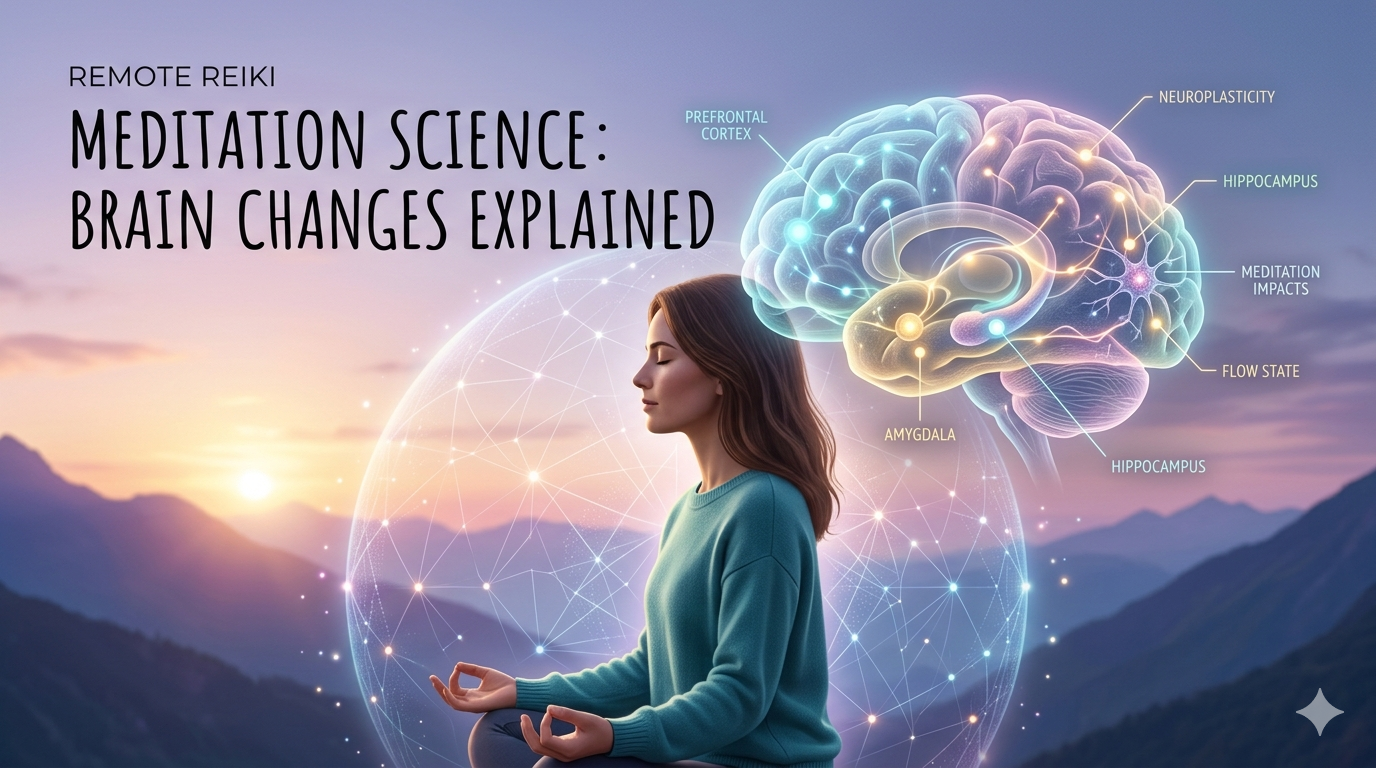
The amygdala is the brain's alarm system. It constantly evaluates whether a situation is safe or threatening – rapidly, before the conscious mind even registers what's happening. In people with trauma histories, the amygdala often becomes hyperreactive: it fires alarm responses at stimuli that remind the system of the original trauma, even when those stimuli are objectively harmless (certain smells, sounds, postures, facial expressions).
The hippocampus is responsible for the temporal organization of memories. It enables us to mark experiences as "past." In traumatic experiences, hippocampal function can be impaired – which explains why flashbacks and trigger reactions can feel as though something is happening right now, even when it is long over.
The freeze response – the immobilization, collapse, or shutdown – is an evolutionarily ancient protective reaction. When fight or flight are not possible, the nervous system shifts into immobilization. The stress energy that was mobilized, if not discharged, can remain "frozen" in the body. Peter Levine describes this phenomenon in his foundational work on Somatic Experiencing.
Bessel van der Kolk & Peter Levine: What Their Research Really Says
Bessel van der Kolk, psychiatrist and trauma researcher, catalyzed a paradigm shift in trauma understanding with his work "The Body Keeps the Score" (2014). His central argument: trauma changes both brain and body in measurable, biological ways. He advocates for a treatment approach that includes the body – from yoga to EMDR to theater and community experiences.
Important: Van der Kolk's research is groundbreaking, but also subject to ongoing scholarly discussion. Not all of his conclusions are unanimously accepted by the scientific community. His work should be regarded as an inspiring foundation, not as a definitive final word.
Peter Levine, biophysicist and psychologist, developed the method of Somatic Experiencing (SE). Drawing on the observation that wild animals spontaneously resolve trauma through physical discharge processes (trembling, shaking, deep breaths), he developed techniques to help people gradually and safely discharge "frozen" trauma energy. His foundational work "Waking the Tiger" describes this approach with both accessibility and depth.
Both researchers agree: the path to healing runs through the body – not around it.
Trauma Symptoms Nobody Connects to Trauma
One reason trauma so often goes unrecognized is the diversity and subtlety of its symptoms. Not everyone experiences flashbacks or nightmares. Many of the most common trauma symptoms are misread as personal failings or physical illness.
- Chronic tension and pain: neck, shoulders, jaw – the body holding old tension.
- Persistent exhaustion: a nervous system in chronic stress consumes enormous energy, even without external demands.
- Irritability and overreactions: small things trigger disproportionately large emotional responses.
- Dissociation: the feeling of not being fully in one's own body, of "drifting away," of emotional numbness.
- Difficulty with intimacy and trust: even when longing for closeness, it feels threatening.
- Sleep disturbances: difficulty falling asleep, easily startled awake, restless nights.
- Digestive problems: the gut and nervous system are closely interconnected – the "gut feeling" knows the trauma.
- Perfectionism and need for control: often an attempt to feel safe in an internally unsafe world.
If some of these resonate with you: that doesn't mean anything is wrong with you. It means your system did what it could – and that it may be time to offer it new support.
Self-Awareness: Learning to Read Body Signals
Interoception is the capacity to perceive the internal states of the body – heartbeat, breath, muscle tension, warmth, tightness. For people with trauma histories, this capacity is often altered: some feel too much (hyperarousal), while others have learned to largely shut off bodily awareness (hypoarousal or dissociation).
Practicing body awareness does not mean immersing oneself in painful sensations. It means slowly rebuilding a safe relationship with one's own body – with curiosity, without judgment, in small steps.
Some simple entry points:
- Pause each morning: What do I notice in my body right now? Don't judge – just observe.
- Notice the breath: Don't change it – just observe. Is it shallow? Deep? Held?
- Find a safety anchor: Which part of my body feels okay right now? Even just a finger, a sole of a foot.
8 Somatic Approaches to Trauma Integration
The following list is an orientation, not a recommendation for everyone. What works is individual. Many of these methods should be learned with professional guidance, especially with more significant trauma.
1. Somatic Experiencing (SE)
Developed by Peter Levine, SE aims to gradually discharge "frozen" trauma energy through gentle, body-oriented attention. Central to it is the practice of titration – carefully pendulating between states of ease and activation.
2. TRE – Tension & Trauma Releasing Exercises
TRE, developed by David Berceli, harnesses the body's natural trembling and shaking mechanism to release stress tension from the nervous system. The exercises activate this reflex in a controlled and safe way.
3. EMDR – Eye Movement Desensitization and Reprocessing
EMDR is a well-researched method in which traumatic memories are processed through bilateral stimulation (often eye movements). It works at the neural level and is one of the most widely recognized trauma therapies in the world.
4. Trauma-Sensitive Yoga
Trauma-sensitive yoga (e.g., following the Trauma Center Trauma Sensitive Yoga protocol) offers physical movement within a framework of safety and self-determination. It returns agency to the individual – a foundational experience for traumatized nervous systems.
5. Breathwork
Breath practices can have profound effects on the autonomic nervous system. Slow, coherent breathing activates the vagus nerve and promotes regulation. More intensive breathing techniques should only be practiced under expert guidance when there is a trauma history.
6. Conscious Movement and Dance
Spontaneous, expressive movement – without choreography, without judgment – can help mobilize and integrate emotions stored in the body. Forms like 5Rhythms or Open Floor offer somatically informed containers for this kind of exploration.
7. Nature Contact and Grounding
Connection with nature – walking barefoot, forest bathing (Shinrin-yoku), feeling wind, earth, or water – activates the parasympathetic nervous system and fosters a sense of safety and belonging. Simple and underestimated.
8. Somatic Writing and Body Journaling
A form of self-awareness practice in which one writes not about thoughts, but about body sensations: What do I feel right now? Where? What does it feel like? This approach strengthens the connection between felt sense and language.
Important Limits: When Professional Support Is Essential
⚠️ This section is especially important. Please read it carefully.
Somatic self-practice can be a valuable tool – for regulation, prevention, and as a complement to professional treatment. It is not, however, a substitute for therapeutic support when:
- you regularly experience flashbacks, nightmares, or intense trigger reactions,
- you experience symptoms of dissociation (feelings of unreality, depersonalization),
- thoughts of self-harm or suicide are present,
- the trauma is recent and insufficient time for processing has passed,
- somatic exercises trigger strong emotional reactions that feel uncontrollable.
In these cases, please seek out trained trauma therapists. In English-speaking countries, these include EMDR-certified practitioners, trained Somatic Experiencing Practitioners, and specialized trauma psychiatrists. Crisis lines such as the Crisis Text Line (text HOME to 741741 in the US) or Samaritans (116 123 in the UK) are always a first point of contact.
How Remote Reiki Can Support Somatic Relaxation and Healing Processes
Remote Reiki – the transmission of healing energy across distance – is not a medical treatment and is not a substitute for psychotherapeutic or medical care. Those who engage with it should understand it as a complementary practice that can offer the nervous system space for relaxation and self-regulation.
In somatic work, safety comes first. Remote Reiki can provide a protected space in which the nervous system – free from external pressure and social overwhelm – may be gently invited toward a more settled state. Some people report experiencing deep relaxation, tingling sensations, or warmth during or after a remote Reiki session.
From a polyvagal perspective: anything that activates the ventral vagal system – warmth, safety, the sense of being held – can help guide the nervous system out of chronic stress states. Remote Reiki can be part of that invitation.
ℹ️ Note: Reiki is a complementary practice. For traumatic conditions, professional support from trained therapists is the indispensable core of treatment. Remote Reiki may offer gentle accompaniment – a soft invitation to your nervous system to rest.
10-Day Body Awareness Practice (Gentle, Without Re-traumatization)
This gentle practice is designed for anyone wishing to begin building a kinder relationship with their own body. It is explicitly not trauma therapy. If you notice that any exercise causes discomfort, please skip it or adapt it to your needs.
Day 1 – Arriving: Breath as a Bridge
Take 5 minutes to notice your natural breath. Change nothing – simply observe. Where do you first feel the breath? In the belly? The chest? The nostrils? Write down your observations.
Day 2 – Grounding: Contact with the Earth
Sit or lie on the floor. Feel the surfaces in contact. Let your weight consciously sink downward. This "grounding" sends a safety signal to the nervous system.
Day 3 – Scanning Without Judgment
Do a gentle body scan: from feet to head. Simply observe – without judging. Where is warmth? Where coolness? Where tension? Nothing needs to change.
Day 4 – Finding a Resource
Seek out a place in your body that feels pleasant or neutral today. Stay there for 2-3 minutes. This place is your resource – your safe harbor.
Day 5 – Movement Impulses
Stand and allow your body to move however it wants – without music, without choreography. Even a gentle swaying counts. 5 minutes.
Day 6 – Writing: Body Language
Write for 10 minutes from the perspective of your body: What would it want to tell you today, if it could speak?
Day 7 – Nature and the Senses
Go outside. Consciously focus on one sense at a time: What do you hear? What do you smell? What do you feel beneath your feet? Allow nature to offer your nervous system safety.
Day 8 – Warmth and Self-Touch
Place your hands on your heart and belly. Feel your own warmth. Breathe slowly. This simple gesture can activate the ventral vagal system.
Day 9 – Sensing Boundaries
Stretch your arms out wide – far. That is your space. Draw them slowly back toward you. Notice what changes. Feeling boundaries in the body can be profoundly liberating.
Day 10 – Integrating and Honoring
Write: What have I noticed over these 10 days? What felt easy? What was difficult? What do I want to carry forward? Honor yourself for every single step.
This practice is a beginning – not a cure-all. If you sense that something needs more, that is an important signal. Professional support is not failure; it is self-care at its highest.
Closing: The Body Is Not the Enemy
Trauma changes us. But it does not define us forever. The body that held on, protected, and survived for so long can also heal. This healing rarely happens linearly, never at the push of a button – but it is possible.
The path there does not bypass the body. It moves through it – gently, with knowledge, carried by professional support where it is needed. And sometimes, in small moments of stillness, healing begins right there: in the breath, in the ground beneath your feet, in the simple felt sense of being here.