If you're reading this article, you may have been exhausted for months or even years. Not the tiredness that disappears after a good night's sleep – but an exhaustion that has lodged itself deep in your bones. A fatigue that stays with you even when you've technically "done nothing."
First, let's be clear: this is not failure. This is your nervous system calling for help.
Burnout is not a lifestyle problem, not a sign of weak willpower, and absolutely not a character flaw. It is a medically relevant condition that affects your entire biological system – from the brain to the adrenal glands, from the immune system to digestion. This article explains what is actually happening in your body and offers evidence-based pathways forward – compassionate, honest, and free of toxic positivity.
What is Burnout, Really?
The World Health Organization (WHO) officially classified burnout in 2019 as an "occupational phenomenon" in the ICD-11, characterized by chronic exhaustion, increasing mental distance from work, and reduced professional efficacy. But this definition doesn't go far enough.
Neurobiologically speaking, burnout is a collapse of the autonomic nervous system. It is the result of chronic, uncompensated stress that has overwhelmed the body's regulatory systems. It doesn't arise only from overwork – it comes from insufficient recovery relative to load, sustained over too long a period.
Crucially: burnout can arise from professional demands, but also from chronic illness, emotional overwhelm, caregiving responsibilities, social pressure, or prolonged existential uncertainty. It is not the exclusive domain of executives or perfectionists – it affects people across all walks of life.
If you need professional support, please don't hesitate to consult a doctor or psychotherapist. This article is not a substitute for medical diagnosis or treatment.
The Three Phases: Warning Signs, Escalation, Collapse
Burnout rarely arrives overnight. It is a gradual process unfolding over months or years – often going unnoticed, because we have been conditioned to accept exhaustion as normal.
Phase 1 – The Alarm Phase (Warning Signs): Your body sends early signals: you sleep poorly despite feeling exhausted. You're more frequently irritable or emotionally overwhelmed. Small tasks feel enormous. You begin withdrawing from social contact – not because you want to, but because you simply have no capacity left. Caffeine and sugar become crutches. Joy in things that once mattered to you starts to fade.
This phase represents the critical intervention window. Those who take their body's communications seriously here can often reverse the trajectory.
Phase 2 – The Escalation Phase: The nervous system is chronically activated. Cortisol levels are dysregulated. You're still functioning – but running on reserve. Concentration problems, memory gaps, a diffuse sense of emptiness. Cynicism creeps in. Physical symptoms accumulate: headaches, gastrointestinal issues, repeated infections (the immune system is involved too). You make it through the workday, then collapse entirely afterward.
Phase 3 – The Collapse: The system has exceeded its capacity. You cannot get out of bed. Simple decisions feel impossible. Emotional numbness alternates with panic attacks. Some people experience depressive episodes at this stage. The body enforces the rest you denied it.
If you recognize yourself in Phase 2 or 3, please seek medical attention. Advanced burnout requires professional support.
Burnout vs. Depression vs. Chronic Fatigue – Understanding the Differences
These three states frequently overlap but are not identical – which has significant therapeutic implications.
Burnout arises primarily from external overload and begins at the behavioral level. Exhaustion is central and relates to a specific source (work, caregiving, etc.). Recovery is possible when the cause is reduced or removed.
Depression is a distinct neuropsychiatric disorder with a broader symptom profile: persistent sadness, anhedonia (loss of pleasure across all life areas), hopelessness, and often biological and genetic components. Depression requires specific therapeutic and potentially pharmacological treatment. Burnout and depression can co-occur and mutually reinforce each other.
Myalgic Encephalomyelitis/Chronic Fatigue Syndrome (ME/CFS) is a severe neurological condition characterized by post-exertional malaise – a worsening of symptoms following physical or cognitive exertion. It frequently follows viral infections and is biologically measurable. ME/CFS requires specific medical assessment and must not be confused with burnout, as incorrect treatment (e.g., graduated exercise therapy) can cause harm.
If you are unsure what you are experiencing, please consult a healthcare professional for a thorough differential diagnosis.
The Neurobiology: Cortisol Dysregulation, the HPA Axis, and Dorsal Vagal Shutdown
To truly understand burnout, we need to look inside the body.
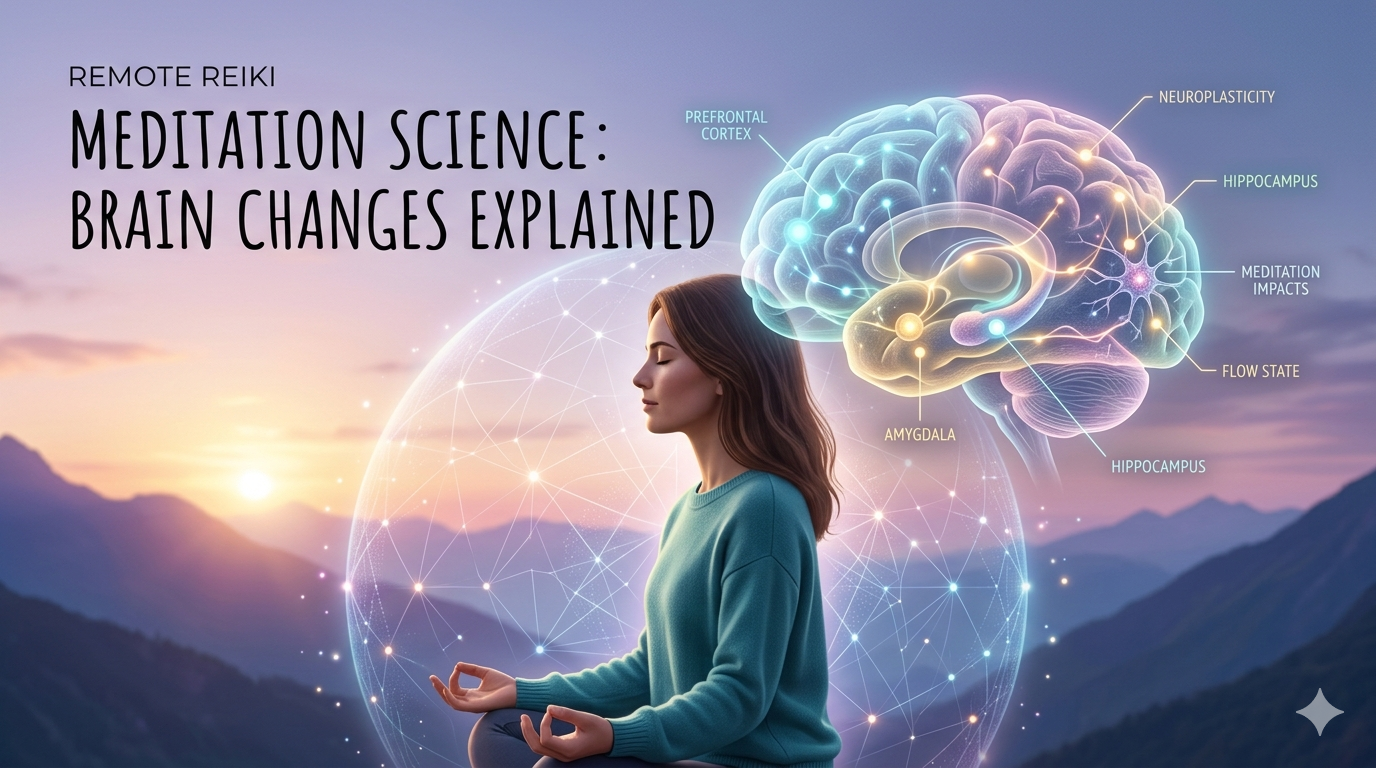
The HPA Axis (Hypothalamic-Pituitary-Adrenal Axis) is the body's central stress regulation system. When stress occurs, the hypothalamus releases CRH, the pituitary responds with ACTH, and the adrenal cortex produces cortisol. Cortisol is not the enemy – it is vital and helps the body respond to acute stress.
The problem emerges with chronic stress: the HPA axis becomes persistently activated. Cortisol levels remain elevated, and eventually the system begins to exhaust itself – cortisol production may decrease, a state popularly (though controversially in medical literature) known as "adrenal fatigue." The body loses its ability to respond appropriately to everyday stressors. The downstream effects are wide-ranging: sleep disruption, immune suppression, inflammatory responses, and metabolic dysregulation.
The autonomic nervous system operates in three primary states, described by Stephen Porges's Polyvagal Theory:
First, the ventral vagal system: the state of safety, social connection, and calm engagement – where we learn, love, and create.
Second, the sympathetic nervous system: fight or flight. Essential for acute threats; destructive when chronically activated.
Third, the dorsal vagus: the evolutionarily oldest system, activated in the face of extreme, inescapable threat. It produces shutdown, dissociation, collapse, and emotional numbness. Many people in deep burnout live here.
Neurobiologically, burnout is often a combination of chronically overactivated sympathetic arousal followed by the engagement of dorsal vagal shutdown. The nervous system has stopped fighting – it has switched off.
This understanding is fundamental to healing: the path out runs not through more willpower, but through restoring the nervous system's sense of safety.
Self-Assessment: Where on the Burnout Spectrum Are You?
Answer the following questions honestly. This assessment does not replace professional diagnosis but can provide useful orientation.
On a scale from 0 (never) to 3 (almost always):
- How often do you feel exhausted even after sufficient sleep?
- How frequently do you struggle to make even small decisions?
- How regularly do you avoid social situations because you simply have no capacity?
- How often do you feel irritable or emotionally overwhelmed without a clear trigger?
- How frequently do you experience physical symptoms with no obvious cause?
- How rarely do you experience genuine joy or anticipation?
- How often does it require enormous effort just to get started?
- How frequently do you feel completely empty after work or daily tasks?
- How rarely can you truly switch off and rest?
- How often does rest feel like it makes no difference?
0–10 points: You are probably not yet in burnout, but may be in Phase 1. Prevention measures are highly effective at this stage.
11–20 points: Moderate to significant exhaustion. Please take this seriously and act.
21–30 points: Severe exhaustion. Please seek professional support and reduce demands wherever possible.
What the Nervous System Does NOT Need When Exhausted
Before we address solutions, let's dismantle the most common – and most harmful – misconceptions.
Myth 1: "You just need to push through." Willpower is a limited neurobiological resource. In burnout, the prefrontal system – responsible for planning, regulation, and motivation – is literally depleted. Adding pressure amplifies the problem.
Myth 2: "A vacation will fix it." Two weeks away can provide short-term relief, but a chronically dysregulated nervous system requires months of structured recovery – not an interlude.
Myth 3: "Exercise cures everything." Intense exercise is another stressor for an already exhausted nervous system. It can further elevate cortisol and delay the healing process. What helps is gentle, regulating movement – not athletic performance.
Myth 4: "Think positive and you'll recover." Forced optimism and ignoring warning signals are among the primary reasons burnout worsens. Your nervous system needs honesty, not performance.
Myth 5: "It will sort itself out if I just keep going." Without intervention, burnout does not typically improve on its own. Active change is required.
9 Evidence-Based Pathways to Recovery
Healing is possible. But it looks different from what most people expect.
1. Sleep as Medicine Sleep is the most important regenerative resource – and in burnout, it is frequently disrupted. Priority lies not in hours alone but in sleep quality. Consistent sleep and wake times regulate the circadian rhythm. Morning light exposure (10–30 minutes of natural light shortly after waking) stabilizes cortisol and melatonin rhythms. Avoid screens at least one hour before sleep. For persistent sleep disturbance, please seek medical evaluation.
2. Nervous-System-Compatible Nutrition Blood sugar fluctuations place additional strain on the HPA axis. Regular meals providing blood sugar stability (adequate protein, healthy fats, complex carbohydrates) support cortisol regulation. Caffeine can further burden exhausted adrenal function – a temporary reduction may help. Magnesium (found in nuts, dark leafy greens, and seeds) and B-vitamins play meaningful roles in the stress response. Please do not self-medicate with supplements without medical guidance.
3. Actively Cultivating Social Safety The ventral vagal system – responsible for safety and recovery – is activated through secure social connection. This does not mean stimulating social events, but the quiet company of people in whose presence you genuinely feel safe. Deep, honest connection with even one or two individuals can be neurobiologically restorative.
4. Sensory Reduction An exhausted nervous system is hypersensitive. Reducing stimulation is itself therapeutic: minimizing noise, reducing visual overwhelm, limiting news consumption. Silence is a resource, not a luxury.
5. Gentle, Regulating Movement Nature walks, gentle yoga, tai chi, qi gong – these movement forms activate the parasympathetic system without burdening the stress response. Even ten minutes daily can make a meaningful difference.
6. Nature Contact Research consistently shows that time in natural environments lowers cortisol, strengthens immune function, and regulates the autonomic nervous system. Shinrin-yoku (Japanese forest bathing) is now well-supported scientifically. A park or garden also delivers benefit.
7. Breathwork and Vagus Stimulation Slow, extended exhalation directly activates the vagus nerve. Techniques like 4-7-8 breathing, coherent breathing (approximately 5–6 breaths per minute), or simply consciously deepening the exhale are free and immediately accessible. Gentle humming or singing also stimulates the vagus nerve via the vagal pathway.
8. Creative Expression Creative activity – drawing, writing, music, craft – activates the prefrontal cortex alongside the reward system, without performance pressure. The quality of the output is irrelevant; what matters is the process.
9. Professional Support Trauma-informed psychotherapy (e.g., Somatic Experiencing, EMDR, Internal Family Systems) can help regulate the nervous system at a deeper level. A physician can rule out organic causes and may recommend complementary treatments. You do not have to navigate this alone.
Everyday Strategies: Minimal Practice for People With Zero Energy
When you are exhausted, reading a long to-do list is itself exhausting. So here is the absolute minimum.
Choose one thing per day. Just one. It might be: sitting in morning light for five minutes. One deliberate, deep exhale before you get up. Sending an honest message to one person you trust. Walking for ten minutes. Saying no to one thing without explanation.
The concept of the "minimum effective dose" comes from medicine: not the maximum amount you can tolerate, but the smallest amount that actually works. For an exhausted system, this is the right philosophy.
And please: give yourself permission to be slow. Your body doesn't rebuild in a week. It needs time. That is not weakness. That is biology.
Returning to Work: Why Returning Too Soon Is the Most Common Cause of Relapse
One of the most significant mistakes on the road out of burnout is a premature return to full load. It feels manageable – you have a little energy back, the guilt grows louder, social pressure intensifies. So you resume everything. And fall deeper than before.
The nervous system requires significantly longer to recover than the ego believes. Researchers speak of six months to two years for full recovery from moderate to severe burnout.
A graduated return to work – with reduced hours where possible, clear boundaries, and regular breaks – is scientifically demonstrated to be more effective long-term than an abrupt return to full capacity. Work, where possible, with your employer and healthcare professionals to create a realistic plan.
Good indicators that you may be ready: you can function for two consecutive weeks without an exhaustion crash. Small joys have returned. Your sleep is stable. You can genuinely switch off and feel restored.
How Remote Reiki Supports the Exhausted System and Enables Deep Recovery
Reiki is a Japanese energy practice based on the principle that life energy (Ki) can be directed through gentle intention and touch – or from a distance – to support the system's return to balance. Remote (or distant) Reiki is practiced without physical presence.
From a neuroscientific perspective, this is interesting: studies suggest Reiki can activate the parasympathetic nervous system, improve heart rate variability (HRV), and reduce stress markers – measurements that correlate directly with the state of the autonomic nervous system. Reiki is not a cure, but it may serve as a gentle, complementary form of support.
For an exhausted nervous system, Reiki offers something genuinely valuable: it requires no performance, no effort, no doing. It is complete passivity within a safe, caring container. This is precisely what can begin to draw the dorsal system out of shutdown – the experience of safety without demand.
Remote Reiki can be particularly valuable in this regard: it can be received from home, without travel, without social exhaustion. It offers permission simply to be.
If you are interested in supportive accompaniment through Remote Reiki, seek out qualified practitioners who work with a holistic, trauma-informed approach.
21-Day Recovery Protocol (Gentle, Progressive)
This protocol is a suggestion, not an obligation. Adapt it to your capacity – and please be honest with yourself.
Week 1 – Stabilization (Priority: Creating Safety)
Daily: Eat at least one meal consciously and calmly (no screen).
Each morning: 5 minutes of natural light.
Before sleep: phone out of the bedroom.
Once daily: 5 minutes of conscious breathing (extended exhale).
Once this week: Reach out to one person with whom you feel genuinely safe. Please remove one obligation you can no longer carry at this time.
Week 2 – Orientation (Priority: Small Experiences)
Daily: Short walk (5–15 minutes, no performance).
Daily: Each morning, one simple question: "What do I need today?" You don't need to answer it – just ask.
Once daily: Vagus stimulation (humming, 4-7-8 breathing, or cold water on the face).
Twice this week: One small creative act (drawing, writing, music – without goal).
Review your digital load: which apps or channels drain energy? Mute or remove them.
Week 3 – Deepening (Priority: Building Rhythm)
Daily: Maintain consistent sleep and wake time (±30 minutes).
Daily: Movement in nature, where possible. Once this week: A complete "slow" experience (cooking slowly, taking a bath, walking without destination).
Once this week: Reflection – what has shifted over three weeks? What do you need next?
Optional: A Remote Reiki session as deepening support.
Important: If you have a setback in any week – that is not failure. It is information. Reduce the protocol to the minimum and begin again, without self-criticism.
A Final Word
Burnout is serious. It is real. And it is healable.
But recovery is not linear. It doesn't look like rebooting a computer – it looks more like the slow thawing after a long winter. Sometimes nothing seems to be happening, and then suddenly – a glimmer of light.
You have not failed. You have functioned for too long without adequate support – within systems that normalize exhaustion and frame limits as weakness. The fact that you are now pausing and reading is not a sign of giving up. It is the first step back toward yourself.
Please seek professional support if you feel you cannot work your way through this alone. A doctor, a therapist, a psychiatrist – these are not endpoints, but companions on the path.
You deserve recovery. Real, deep, complete recovery.
This article is for general informational purposes only and does not substitute for medical diagnosis or treatment. If you are experiencing difficulties, please consult a trusted healthcare professional. In the UK, the Samaritans can be reached 24/7 at 116 123 (free). In the US, the SAMHSA helpline is available at 1-800-662-4357.